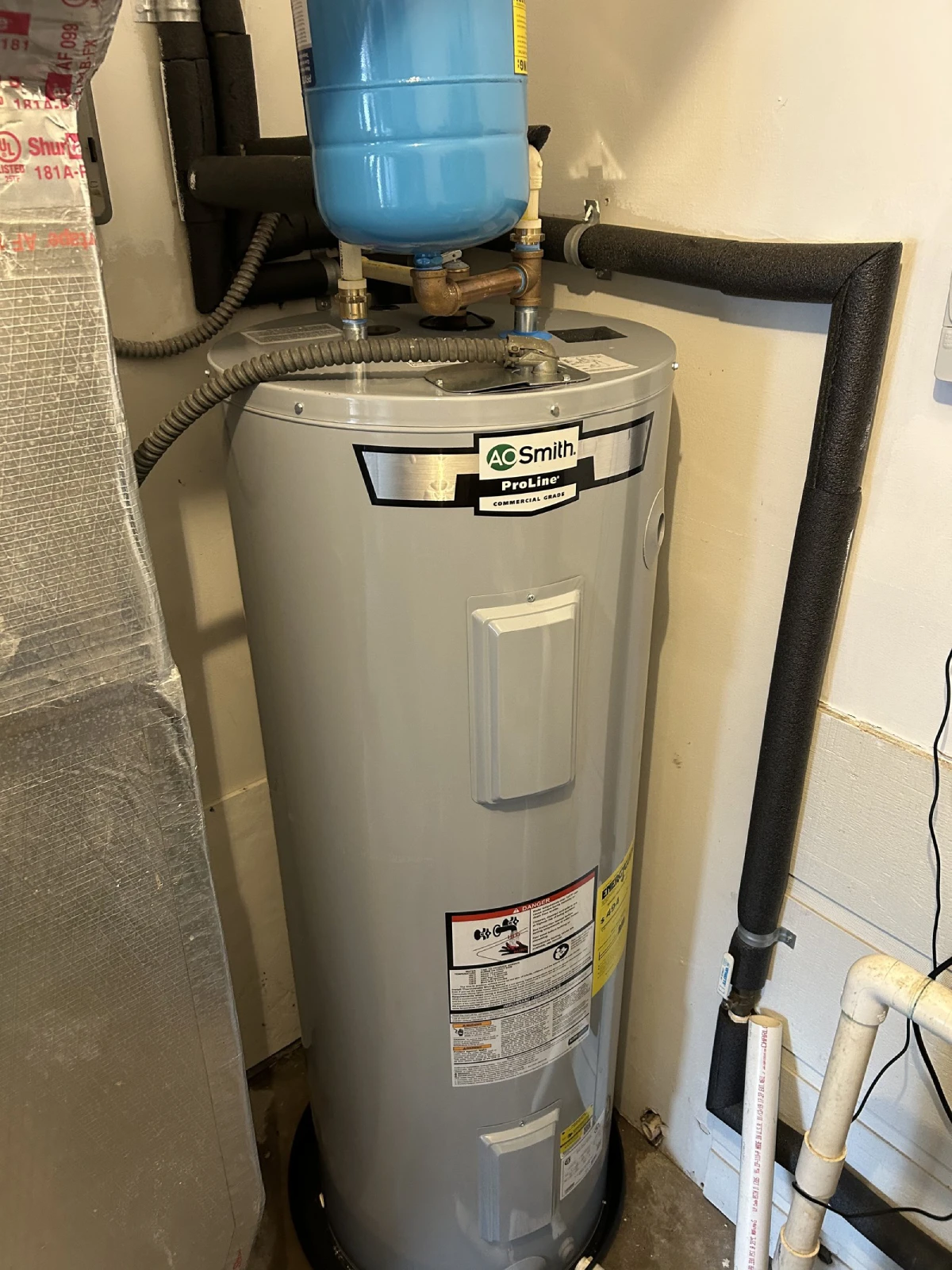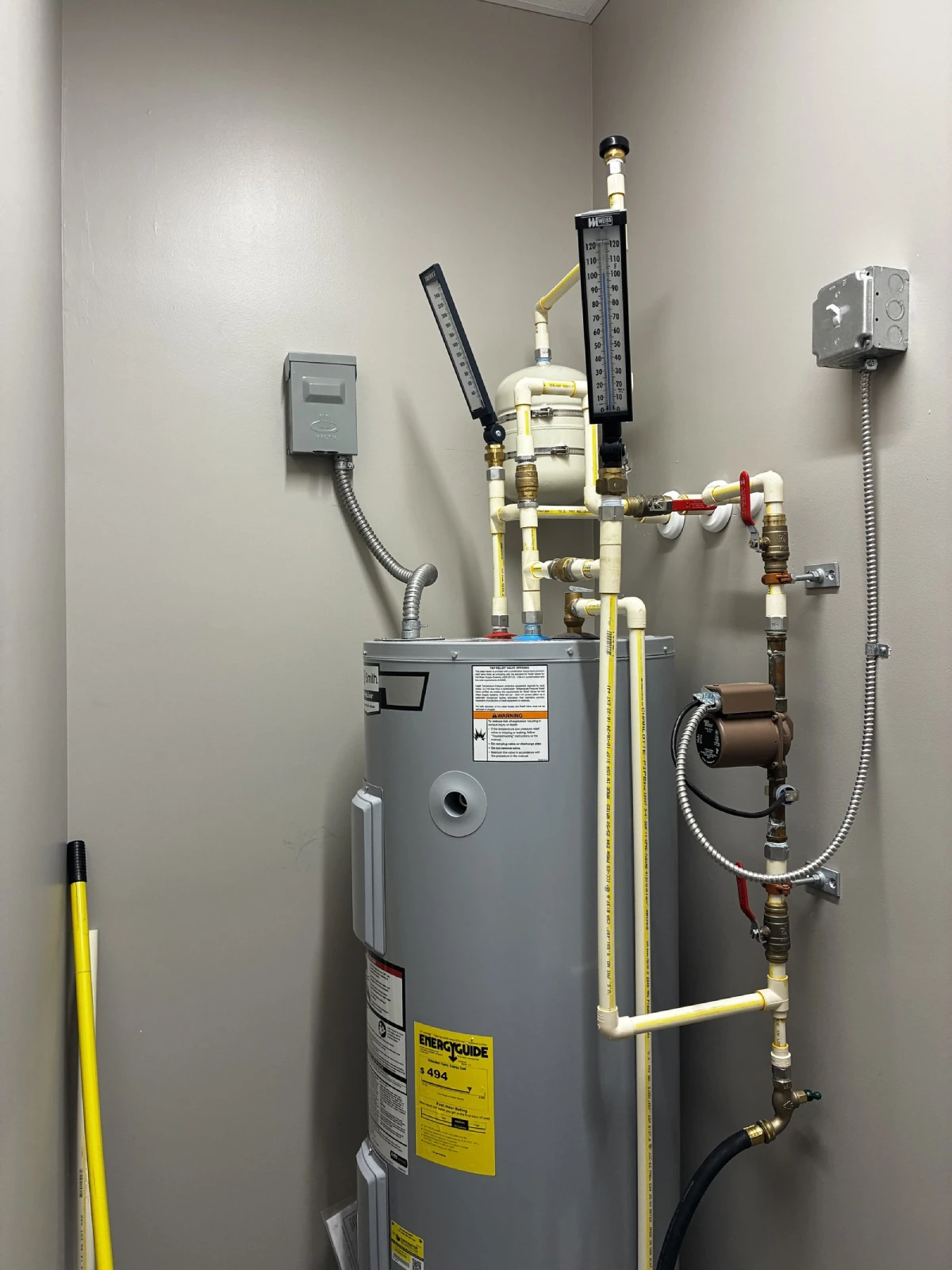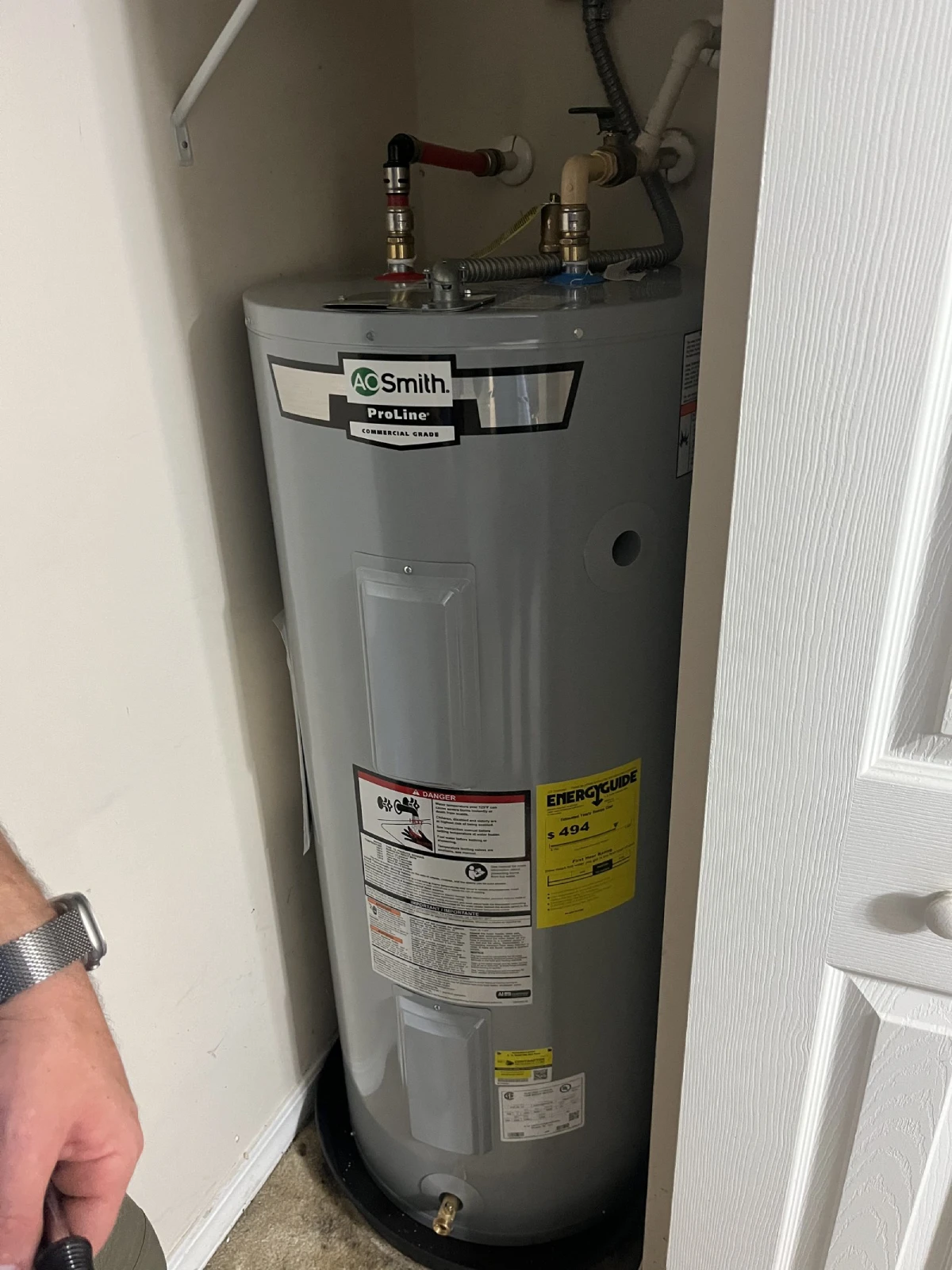
n an electric unit, the usual suspects are a tripped breaker, a failed heating element or a bad thermostat. On a gas unit, it's often the pilot, the igniter, the thermocouple or the gas valve. We test each part instead of guessing.
This usually means one heating element has failed, sediment has built up in the bottom of the tank, or a dip tube is broken. Sometimes the heater is simply too small for how the household uses hot water now, and we'll tell you honestly if that's the case.
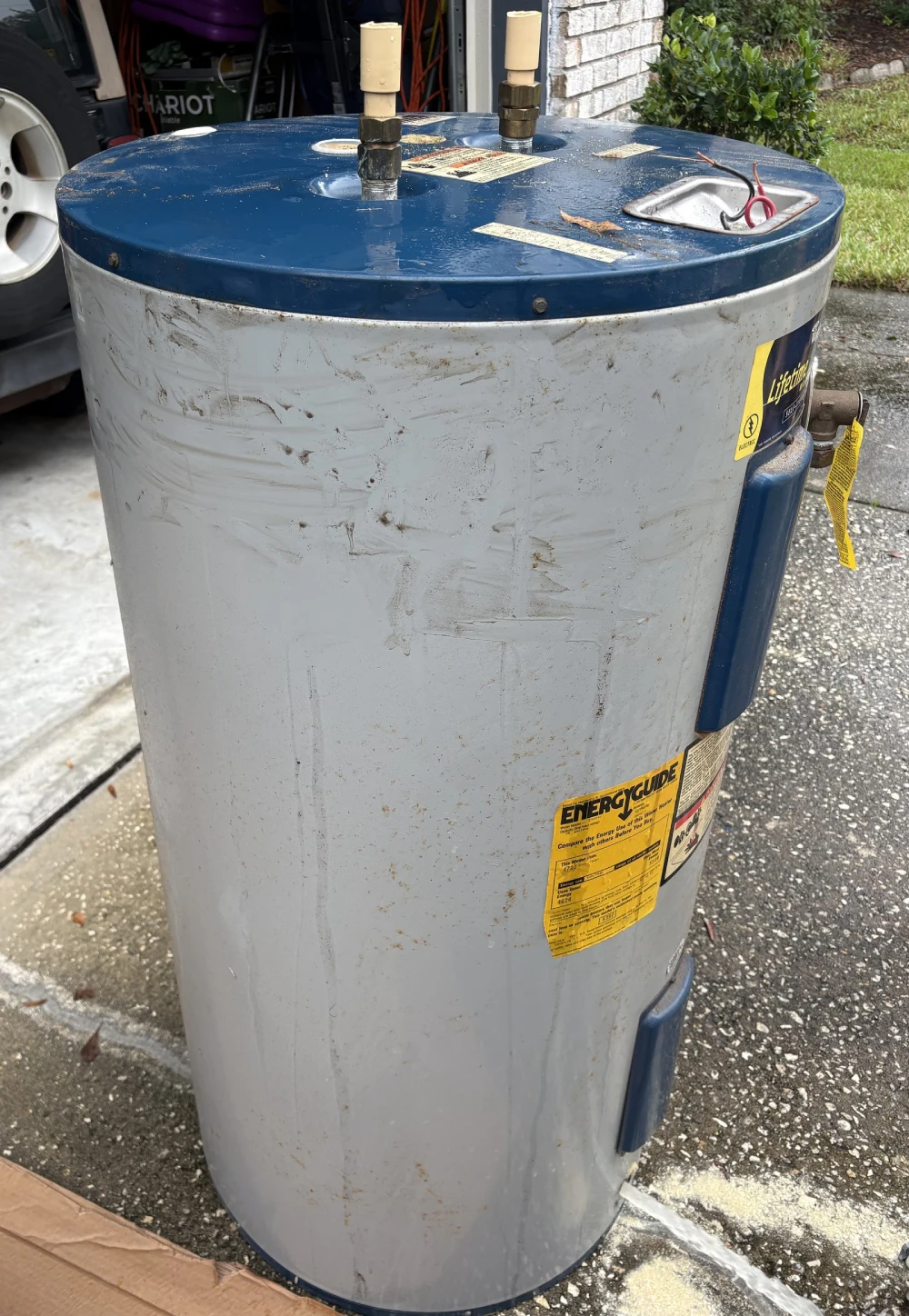
A leak at a valve, a fitting or the temperature and pressure relief valve can usually be repaired. A leak from the tank itself can't be, and that tank needs to be replaced. We'll show you which one you have.
This can be a worn anode rod, which is replaceable, or corrosion inside the tank. Catching it early can save the heater.
This is usually sediment cooking on the bottom of the tank. A flush may solve it, but loud noises on an older tank can mean it's near the end of its life.
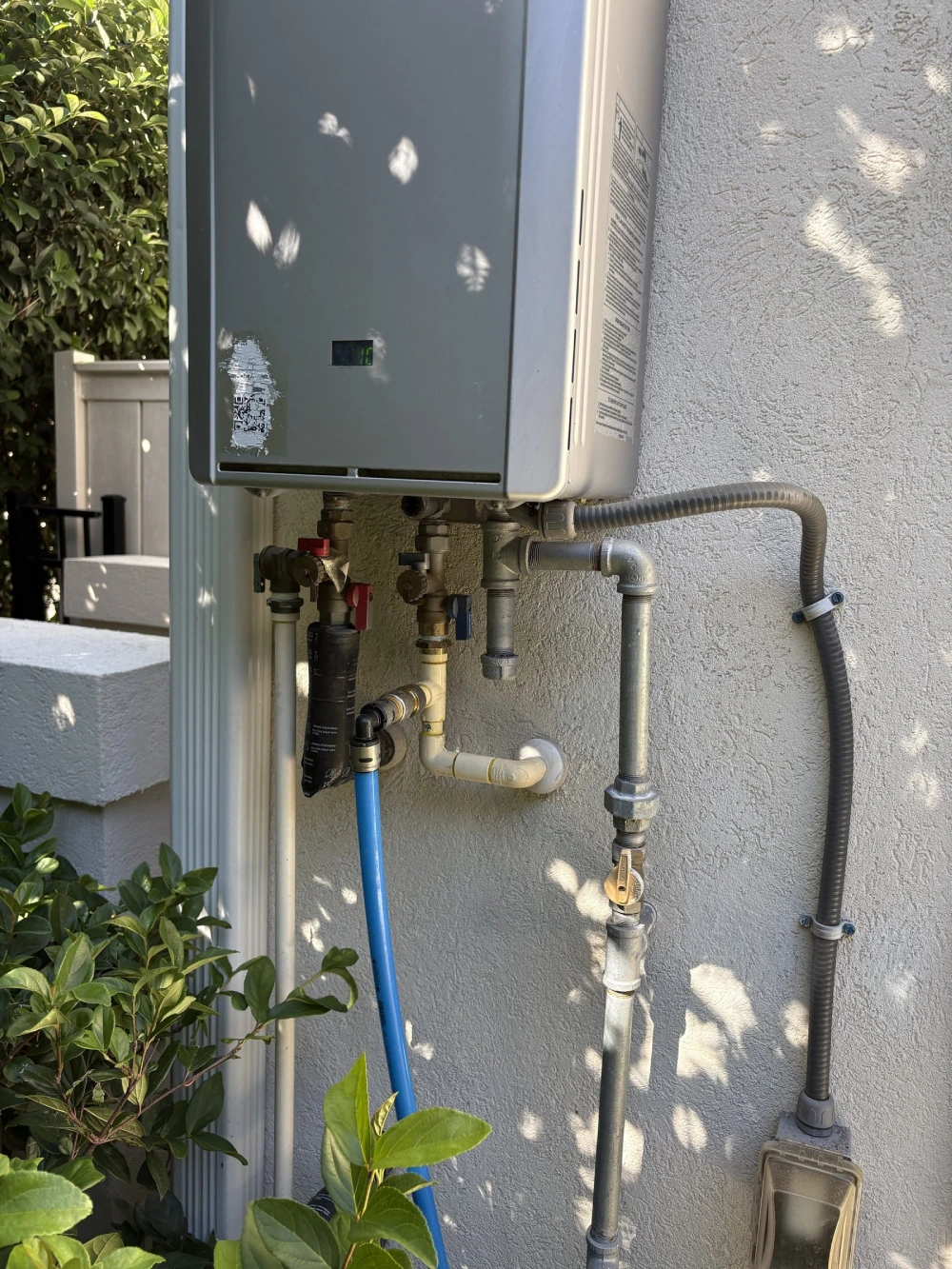
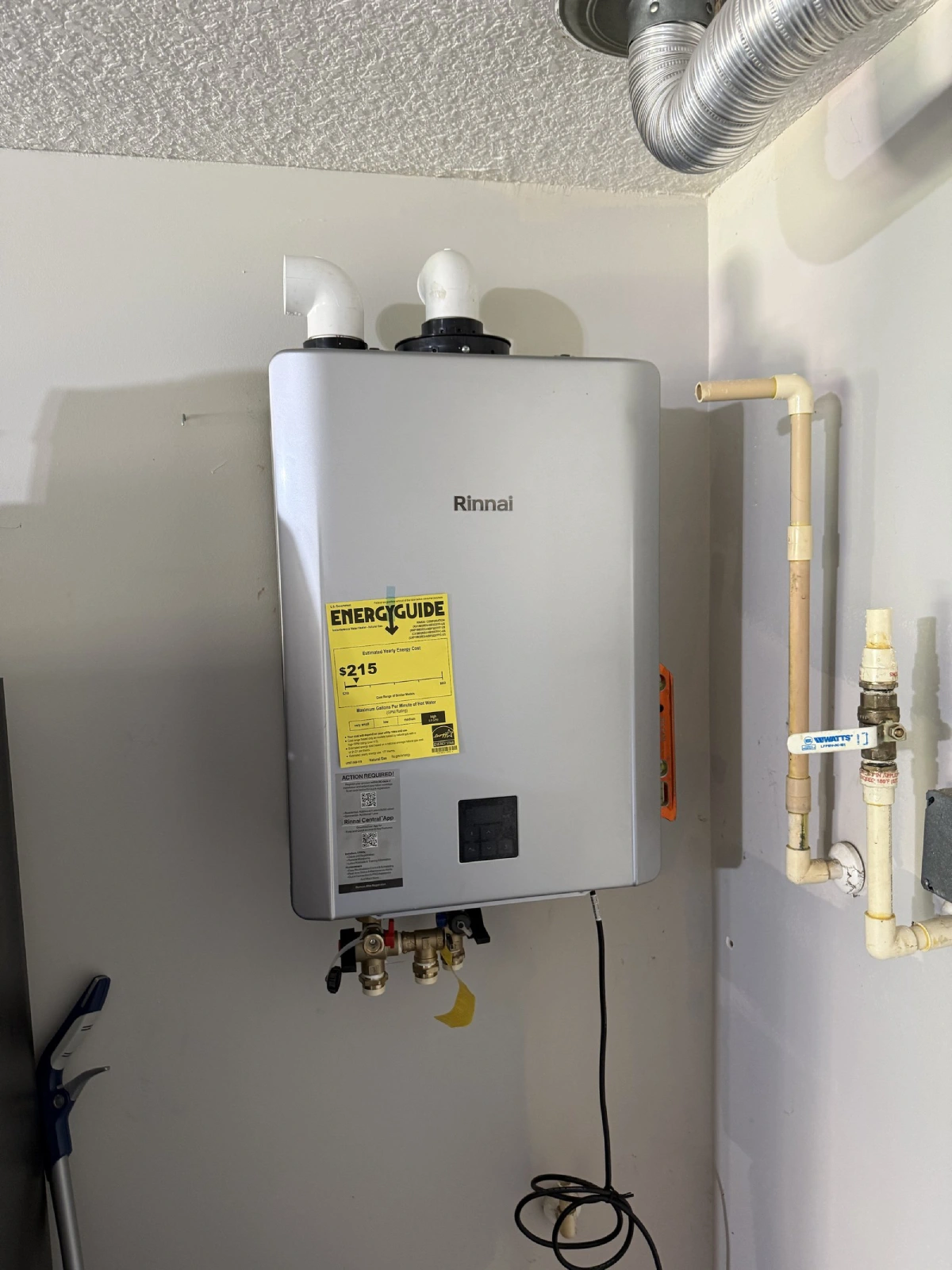
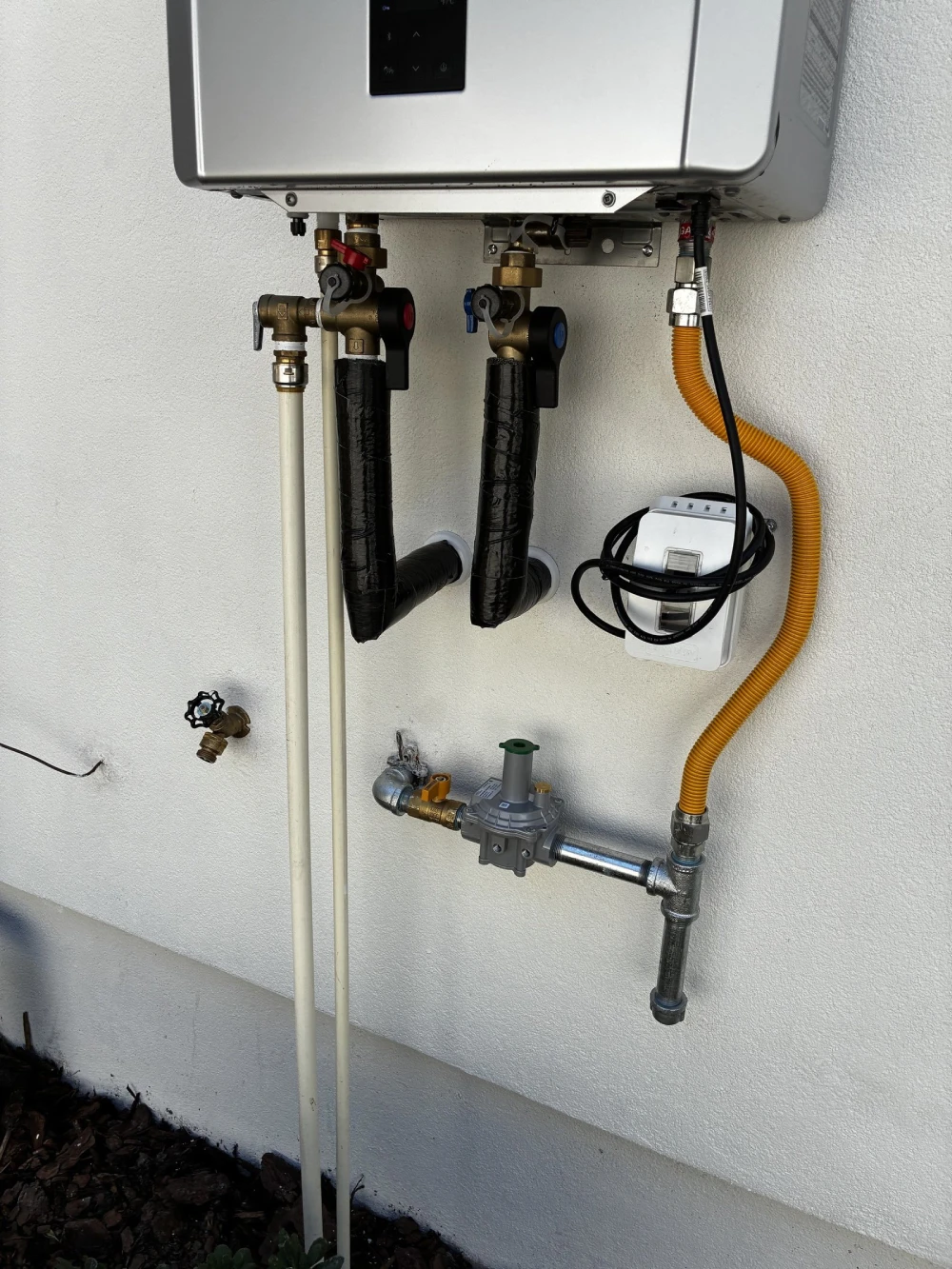
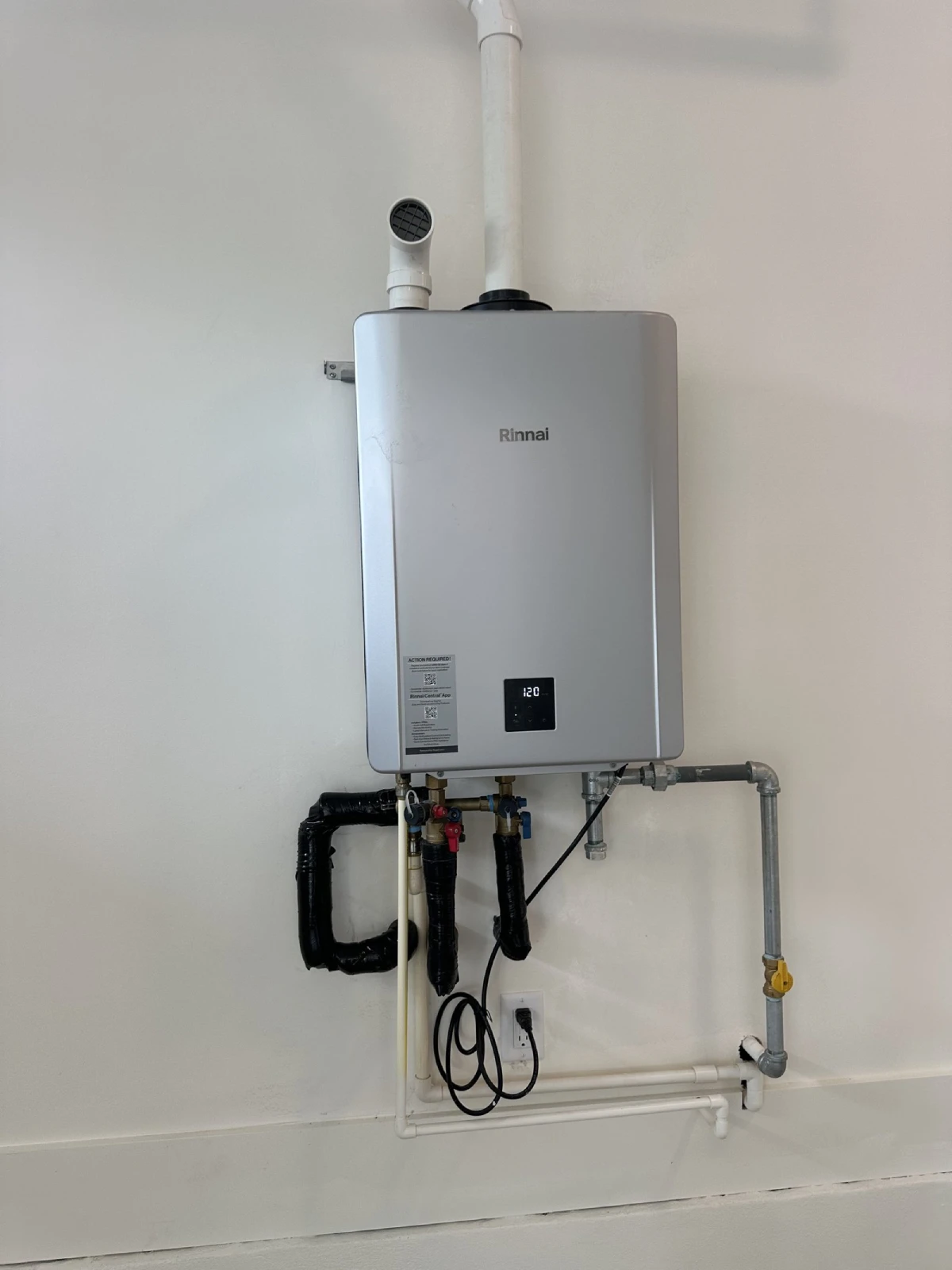
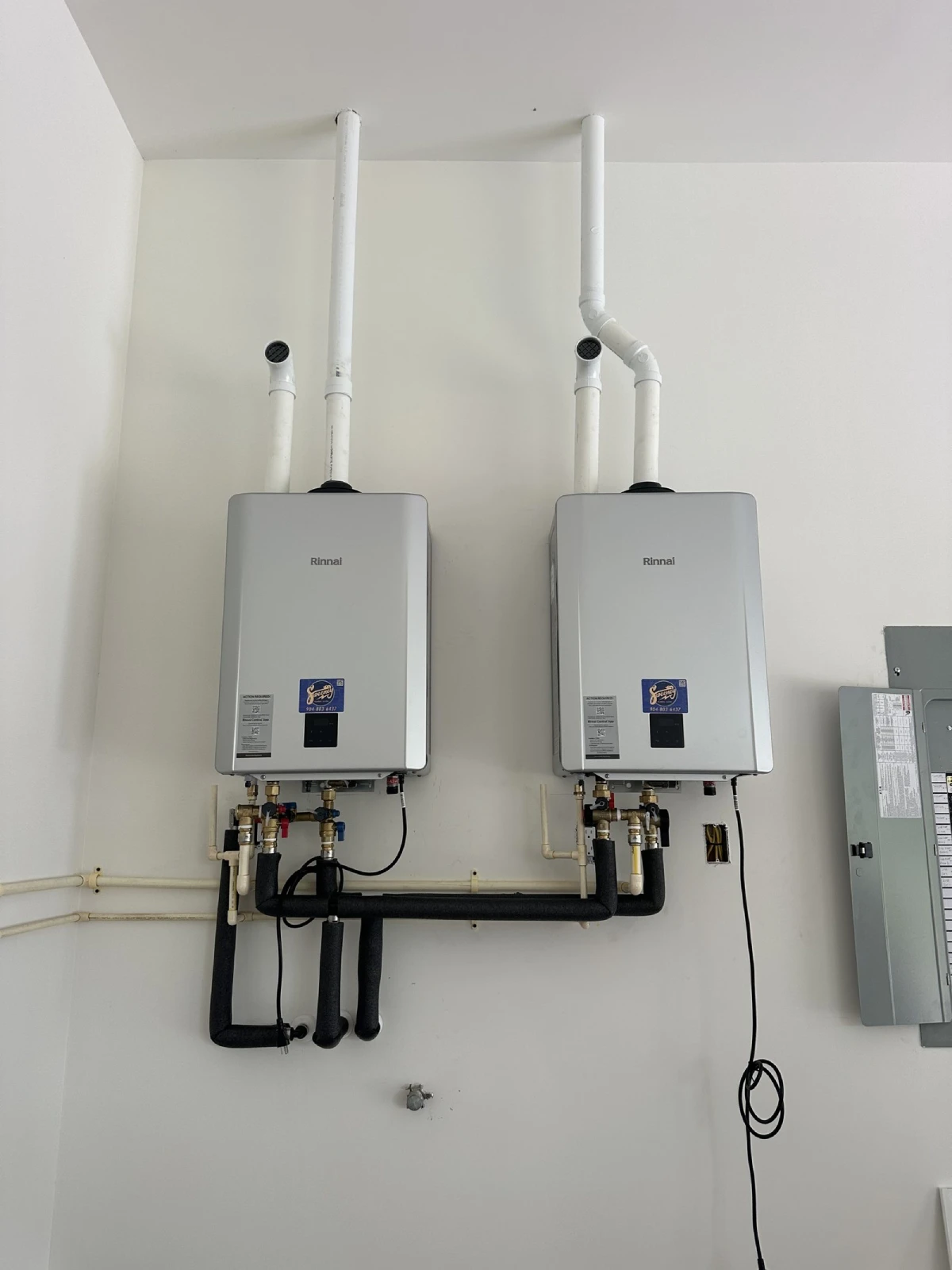
A pilot that won't stay lit, ignition errors or an error code on a tankless unit often come down to a sensor, a thermocouple, the gas supply or scale buildup. We diagnose these and repair them.
Elements and thermostats are some of the most common electric water heater repairs, and they're usually done in a single visit.
On an electric water heater, it's usually a tripped breaker, a failed heating element or a bad thermostat. On a gas heater, it's often the pilot, the thermocouple, the igniter or the gas valve. Check the breaker or the pilot first. If that doesn't fix it, call us at (904) 803-6437 and we'll diagnose it.
The most common causes are a failed lower heating element, sediment buildup in the tank, or a broken dip tube. All of these are repairable. If the heater is simply too small for your household, we'll tell you that too.
It can be. A small drip from a valve or fitting can usually wait for a scheduled repair. Water coming from the tank itself, or a leak that's getting worse, should be handled right away. Shut off the cold water supply to the heater, turn off the power or gas, and call us. We answer 24/7.
If the tank is sound and the problem is a part, like an element, thermostat, valve, igniter or anode rod, repair usually makes sense. If the tank itself is leaking, or the heater is 10 to 12 years old or more with repeat problems, replacement is usually the better value. We'll give you an honest recommendation either way.
It depends on what's wrong and the type of heater. Replacing a thermostat is a very different job from replacing a gas valve. We diagnose the problem first, then go over the repair and the price with you before any work starts.
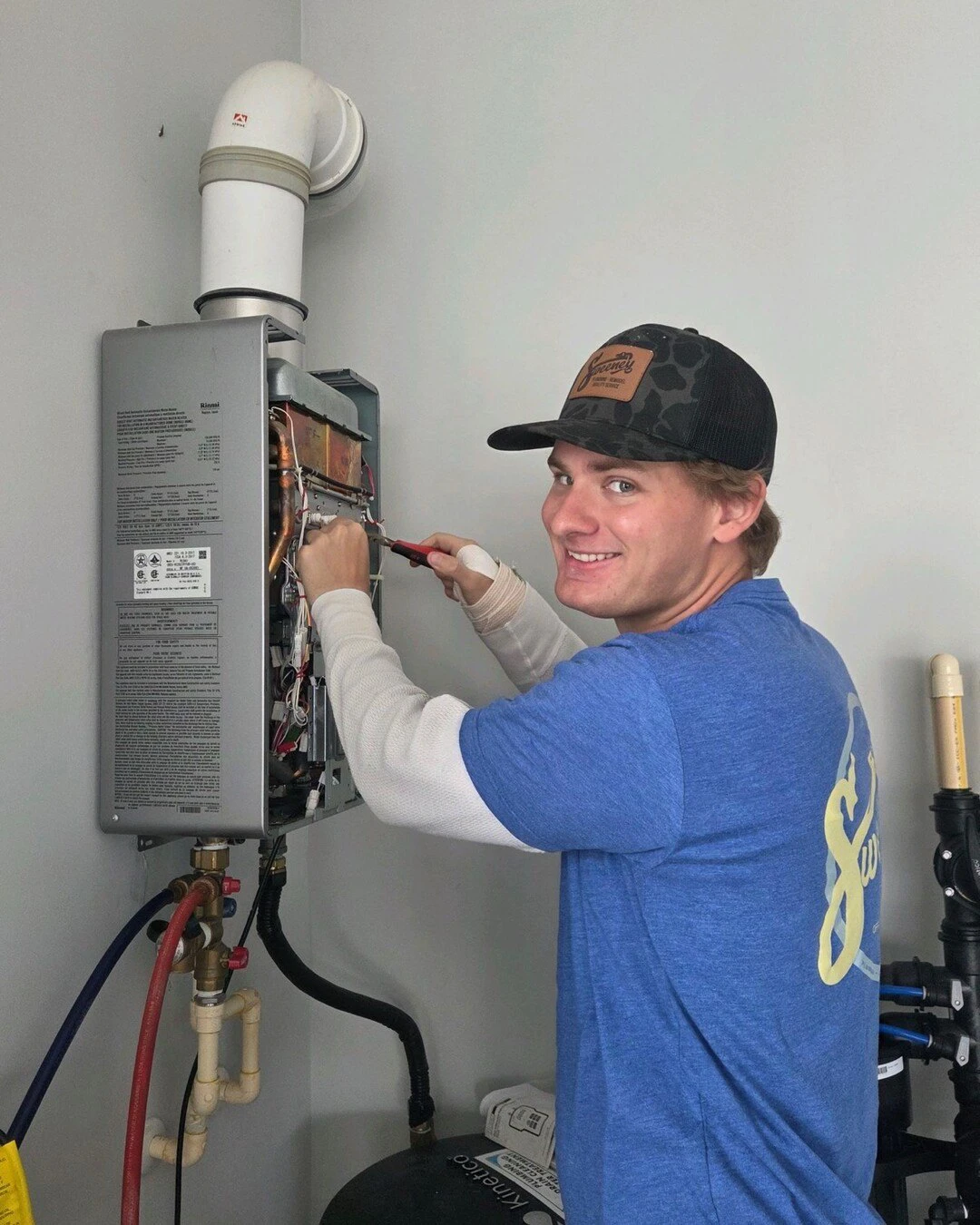
Yes. We diagnose error codes, descale and flush units, fix ignition, sensor and gas supply problems, and correct venting issues on gas and electric tankless water heaters. When a tankless unit isn't worth repairing, we can replace it.